Common Mistakes When Choosing a Streaming Provider
With so many streaming options available, it is easy to make a decision too quickly. Many people focus only on price or content quantity and overlook the factors that actually shape the viewing experience. As a result, they may end up with a service that buffers often, lacks support, or does not work properly on their preferred devices.
Understanding the most common mistakes can help users choose more carefully and avoid unnecessary frustration.
Choosing Based Only on Price
Price is important, but it should not be the only factor. A very low-cost service may seem attractive at first, yet poor reliability, weak support, and limited usability can make it a poor value overall.
It is better to compare what is included, how stable the service is, and whether it fits your needs rather than looking only at the monthly cost.
Ignoring Reliability
Some users are impressed by long content lists or promotional offers and fail to check whether the service is actually stable. Reliability is one of the most important factors in streaming.
If a provider has frequent interruptions, slow loading times, or poor performance during peak hours, the experience will suffer no matter how large the content selection is.
Not Checking Device Compatibility
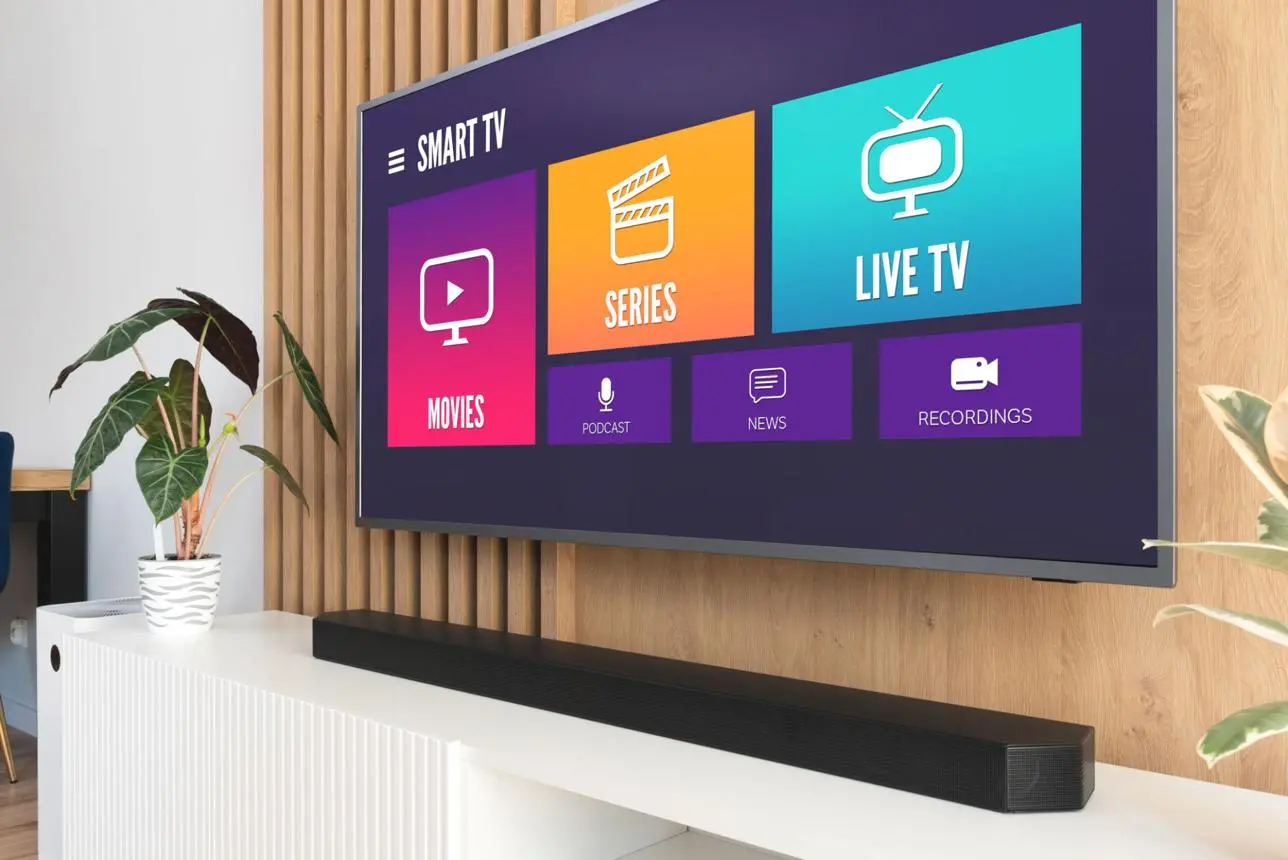
Another common mistake is assuming every streaming service works equally well on every device. Some services perform well on phones but poorly on smart TVs. Others may require extra setup steps that make them less practical for everyday use.
Before choosing a provider, confirm it supports the device you plan to use most often.
Overlooking Internet Requirements
Even a strong streaming service can perform badly if the internet connection is not stable enough. Some users sign up for a service without first considering whether their home internet can support the type of viewing they want.
Households that stream in HD or on multiple devices at once usually need stronger connections. Ignoring this can lead to buffering and reduced quality.
Expecting All Services to Offer the Same Quality
Not all providers deliver the same user experience. Some may have better navigation, faster loading times, and more consistent streams than others. Others may appear similar on paper but fall short in actual use.
That is why comparing only channel counts or content categories is not enough. Quality, performance, and usability matter just as much.
Skipping the Testing Phase
Many users commit too quickly without testing the service first. A short trial or smaller initial plan can reveal important details about performance, content layout, and overall ease of use.
Testing before making a larger commitment is one of the best ways to avoid disappointment.
Ignoring Customer Support Quality
Support becomes important when setup problems, billing issues, or playback errors happen. Unfortunately, some users do not evaluate support at all until they need help and realize it is slow or unavailable.
A provider with helpful customer support is usually easier to trust long term, especially for users who are not highly technical.
Believing Unrealistic Claims
Some services make exaggerated promises, such as perfect uptime, unlimited features, or unusually large content access without any explanation. These claims should be approached carefully.
Reliable providers are usually more transparent and realistic about what they offer. Be cautious when something sounds too good to be true.
Not Thinking About Personal Viewing Habits
The best service for one person may not be the best for another. Some viewers mainly want sports, while others care more about movies, live channels, or international content. Choosing a service without thinking about personal priorities often leads to a poor fit.
Before comparing providers, identify what matters most:
- Live TV access
- Sports coverage
- Movies and series
- Family content
- Regional or international channels
Failing to Compare Multiple Options
Choosing the first service you come across is rarely the best approach. Comparing at least a few options gives a clearer picture of pricing, features, content variety, and reliability.
Taking a little extra time during research can prevent larger problems later.
Final Thoughts
Choosing a streaming provider is easier when users know what mistakes to avoid. Looking beyond low prices, checking compatibility, testing performance, and focusing on reliability can make a major difference.
The goal is not just to find a service with plenty of content, but to choose one that offers a smooth, practical, and dependable viewing experience.