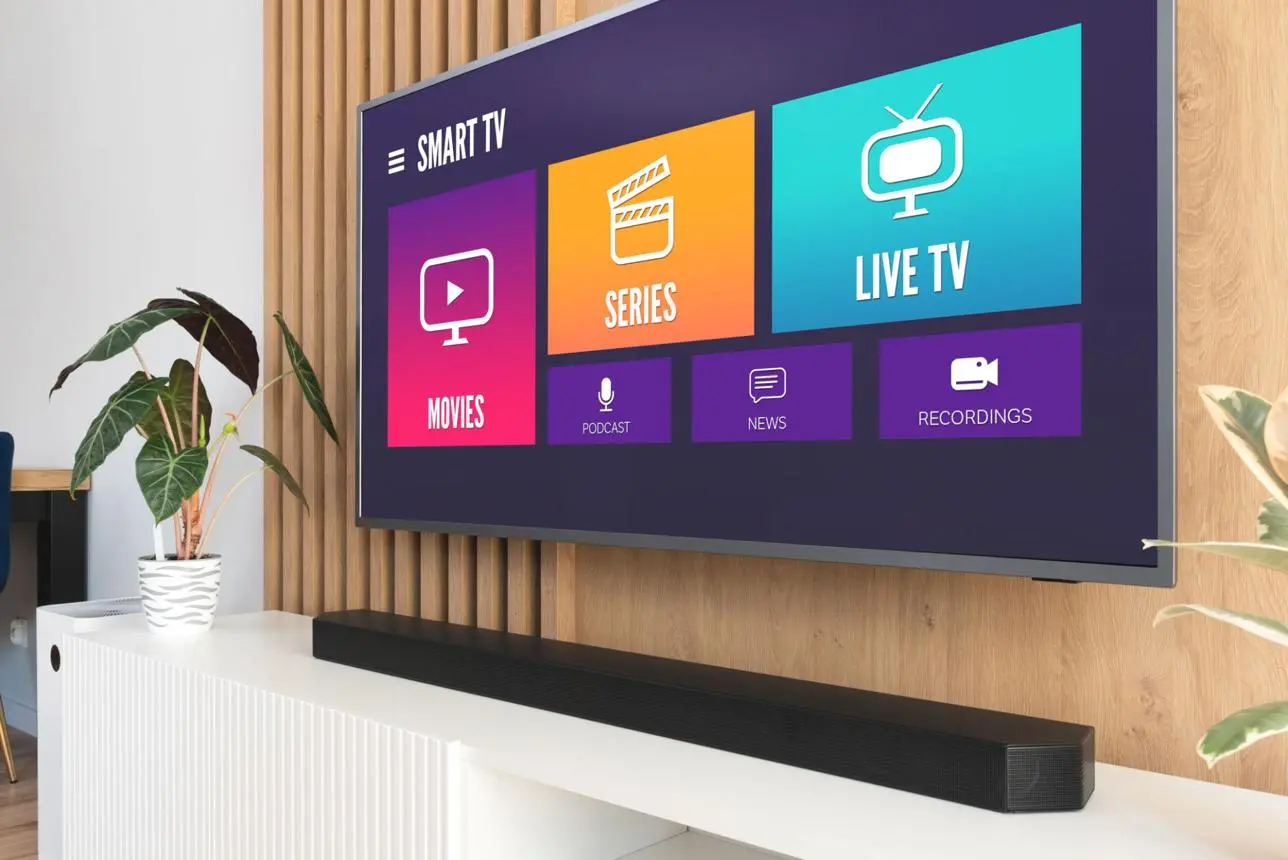
How Online TV Streaming Works
Online TV streaming allows viewers to watch channels, shows, movies, and live events over an internet connection instead of through traditional cable or satellite services. It has become one of the most popular ways to access entertainment because it offers flexibility, convenience, and access across multiple devices.
Whether someone wants live television, sports coverage, or on-demand movies and series, streaming services make it possible to watch content almost anywhere with a stable internet connection.
What Is Online TV Streaming?
Online TV streaming is the delivery of television and video content through the internet. Instead of relying on cables, dishes, or fixed-location hardware, users access content through apps, websites, or media devices connected to the web.
This means viewers can watch content on smart TVs, laptops, tablets, smartphones, and dedicated streaming devices. In many cases, services offer both live channels and on-demand libraries, giving users more control over what and when they watch.
How Streaming Content Is Delivered
When a viewer selects a channel or video, the content is sent over the internet in small pieces of data. The device receives these pieces continuously and plays them in real time. This process is what makes streaming possible without requiring a full download before watching.
The quality of the viewing experience depends on several factors, including internet speed, server stability, device performance, and the overall quality of the streaming provider.
Live TV vs On-Demand Streaming
There are two main types of streaming experiences: live TV and on-demand viewing.
Live TV Streaming
Live TV streaming lets users watch channels and events as they are being broadcast. This is especially useful for news, sports, and real-time entertainment.
On-Demand Streaming
On-demand streaming gives viewers access to movies, series, documentaries, and other content whenever they choose. It is ideal for people who want flexibility and control over their viewing schedule.
Devices Commonly Used for Streaming
One of the biggest advantages of streaming is device compatibility. Most services can be accessed on a wide range of platforms, such as:
- Smart TVs
- Streaming sticks and media players
- Android TV boxes
- Laptops and desktop computers
- Smartphones and tablets
- Gaming consoles
Before choosing a service, it is important to check whether it works well on the device you plan to use most often.
Why Internet Speed Matters
Streaming quality depends heavily on internet performance. Slow or unstable connections can lead to buffering, poor video quality, and interruptions.
In general, higher resolutions require faster internet speeds. Watching in standard definition needs less bandwidth than HD or 4K content. Households with multiple people streaming at once also need stronger connections to maintain smooth playback.
Main Benefits of Streaming
Streaming has become popular for several reasons:
- It offers flexibility across devices
- It often includes both live and on-demand content
- It can be easier to set up than traditional TV services
- It allows viewers to choose plans based on their needs
- It makes it easier to access international or specialized content
Potential Drawbacks to Consider
Although streaming offers many advantages, it is not perfect. Users may encounter issues such as:
- Buffering during peak hours
- Service interruptions
- Device compatibility problems
- Inconsistent video quality
- Limited customer support from low-quality providers
That is why it is important to compare services carefully before choosing one.
How to Choose a Good Streaming Service
Not all services offer the same level of quality or reliability. Before selecting one, consider these points:
- Content variety
- Video quality
- Stability and uptime
- Device support
- Ease of use
- Customer support
- Transparent pricing
A reliable service should make it easy for users to access the content they want without frequent interruptions or confusing setup steps.
Final Thoughts
Online TV streaming gives viewers more flexibility, more device options, and more control over what they watch. It has changed how people access live television, sports, movies, and series by making content available through the internet rather than traditional broadcast systems.
For anyone exploring streaming options, understanding how the technology works is the first step toward making a better decision. The best experience usually comes from combining a reliable provider, a compatible device, and a strong internet connection.